Computational Lightweight Reef
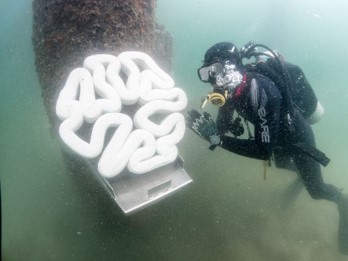
This post is about the development of lightweight artifical coral reef attachment unit using computational approach to generate coral reef pattern and produce it by means of 3D Concrete Printing (3DCP)
Why lightweight artificial coral reef unit?
Coral transplantation is a challenging and expensive job. For coral transplantation, concrete or metal structures can be used on which coral fragments can be placed. The foundations are heavy and large and it requires underwater operations that are labour-intensive and logistically demanding. We design, engineering, printing of 3D concrete printed tiles with the aim of stimulating coral reef growth and improving biodiversity.
 |
 |
Design approach
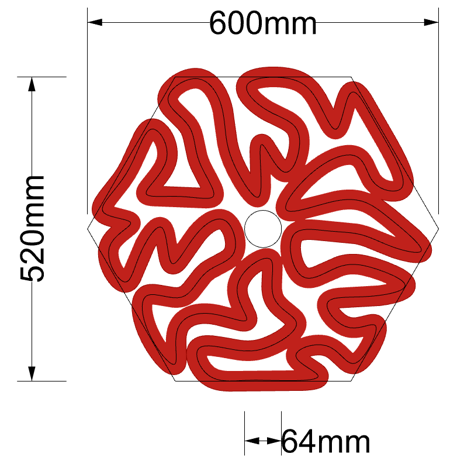
- Corals need other marine animals to live and grow. Therefore, the design must contain grooves and cavities, where marine animals can hide from predators and coexist with the corals placed on the units.
- Brainy pattern are applied to increase species colonization rates.
- Center cavity is designed for mechanical anchoring.
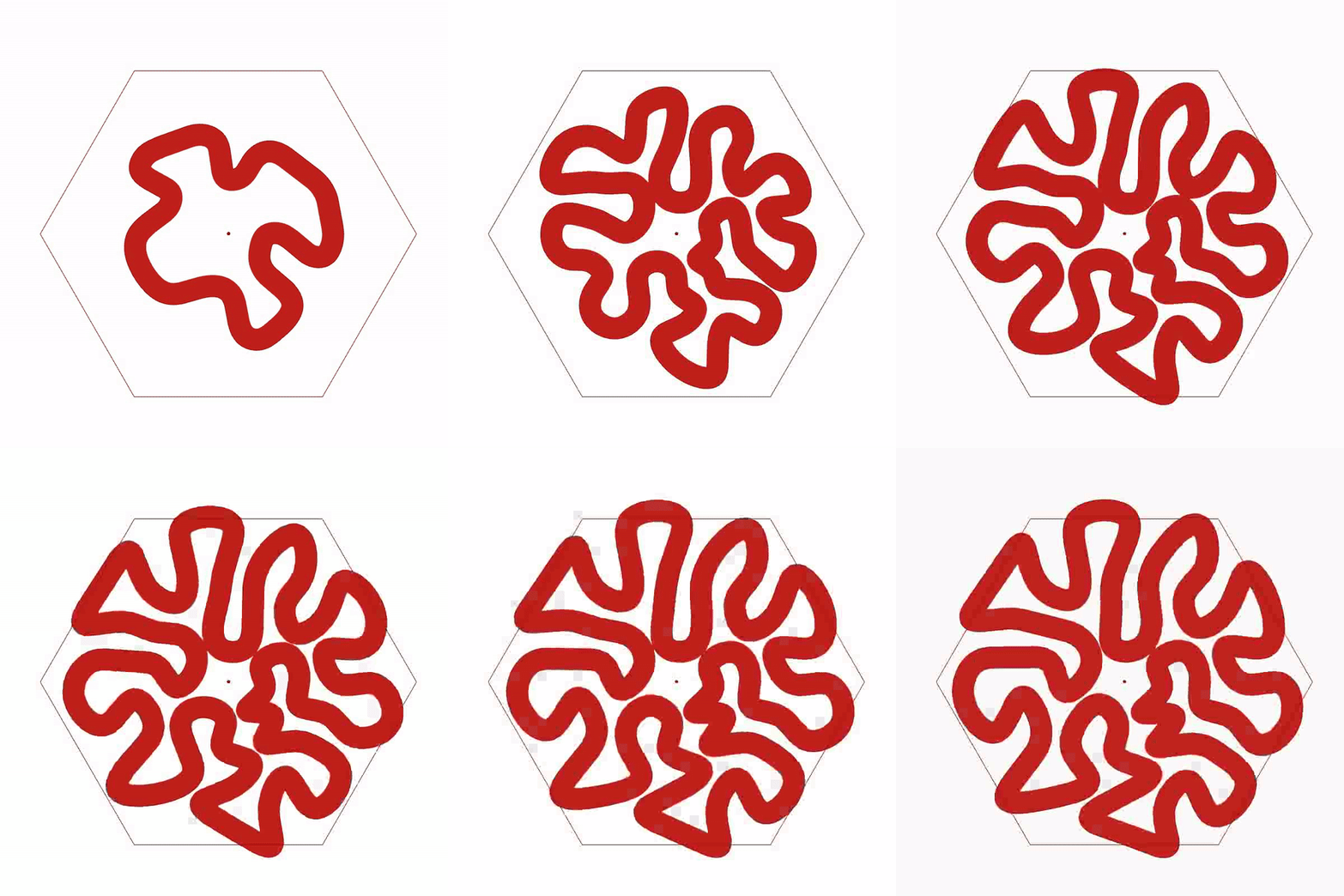
- A natural growth simulation is programmed to control design parameters with variation.
Growth simulation
- Growth simulation is programmed to simulate coral’s natural growth pattern.
- Design parameters are numerically controlled including pattern density, growth rate, print width, sharpness, boundary condition, clear zone.
- It allows for mass-customization. All tiles are different but in control under one design principle.
- The pattern is tight and packed but no overlapping.
3D Concrete Printed
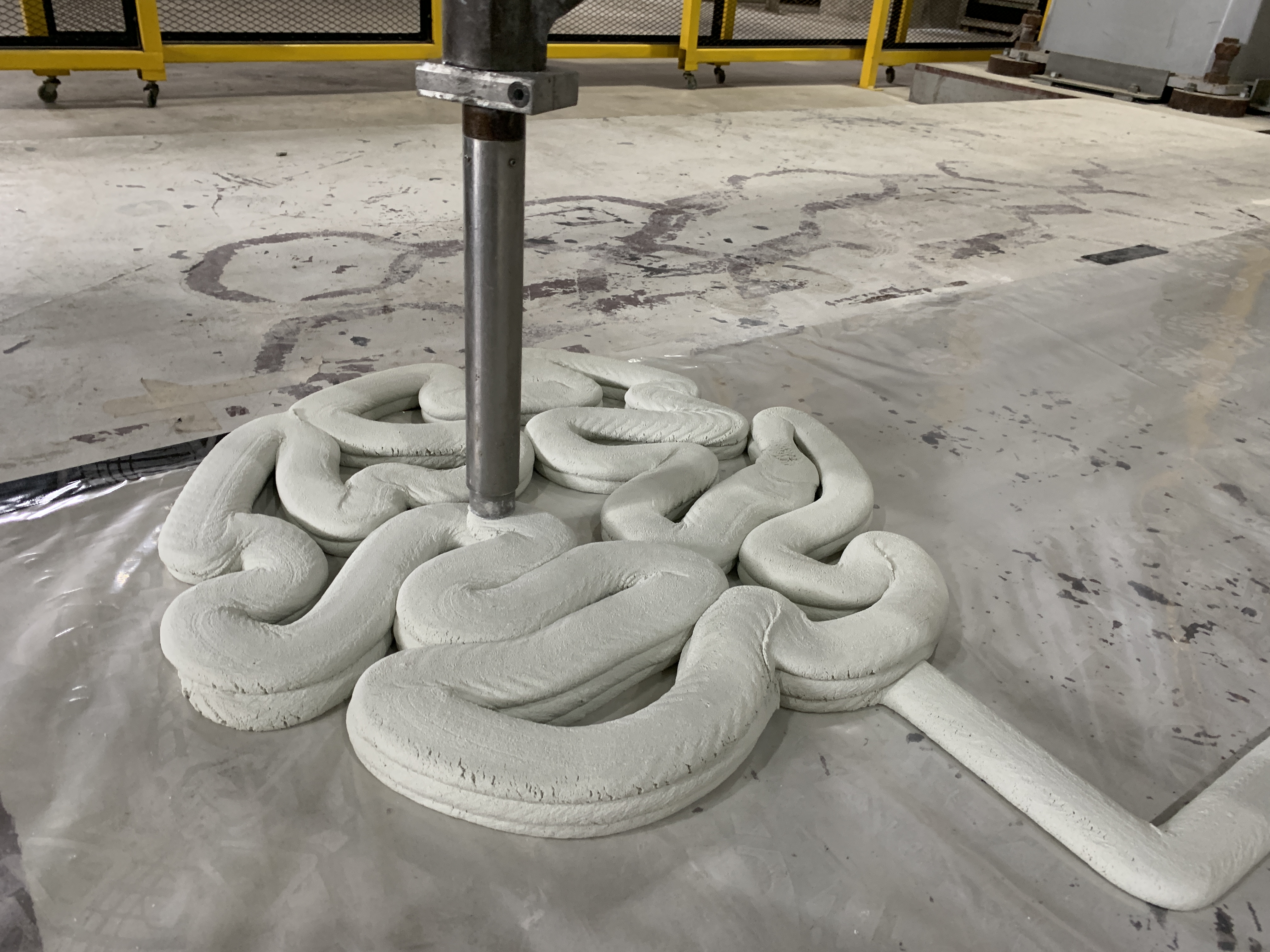
- Each tile is fabricated by 3D concrete printing technology.
- Each tile takes 3 mins to complete the print.
- Each tile weights 25kg printed in 5 layers.
Success factors
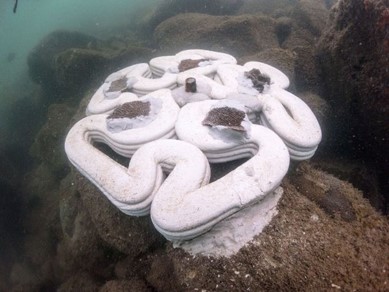
- Eight unique 3D concrete printed tiles were designed and printed in concrete. Coral fragments were attached to these units and marine animals hid in the grooves and cavities.
- Each tile can be carried and deployed by one person. This reduces the amount of manpower and logistical requirements involved in coral transplantation
- The transplanted corals were monitored for four months for survival rates. 70% of the transplanted corals survived and are thriving.
Award
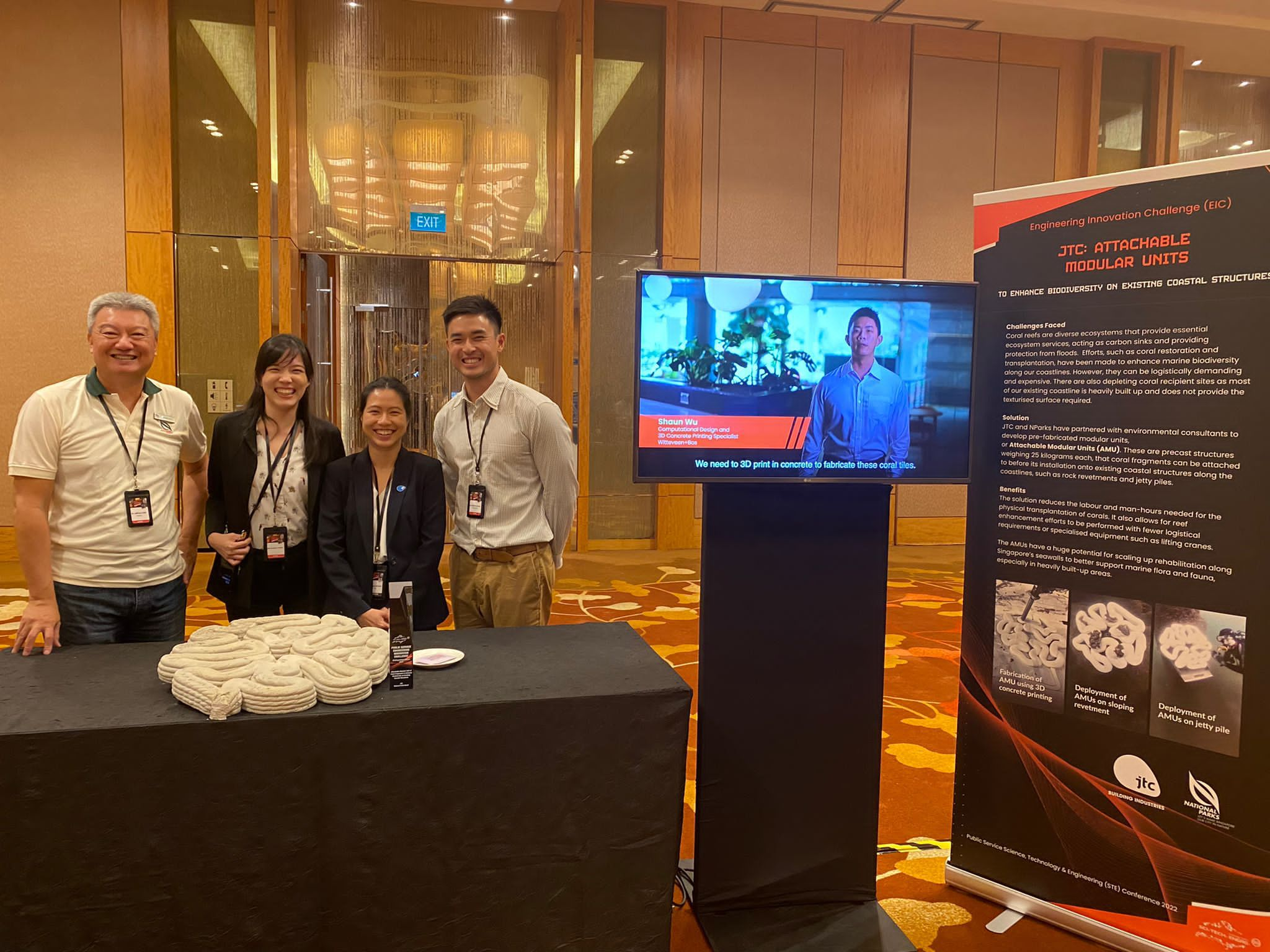
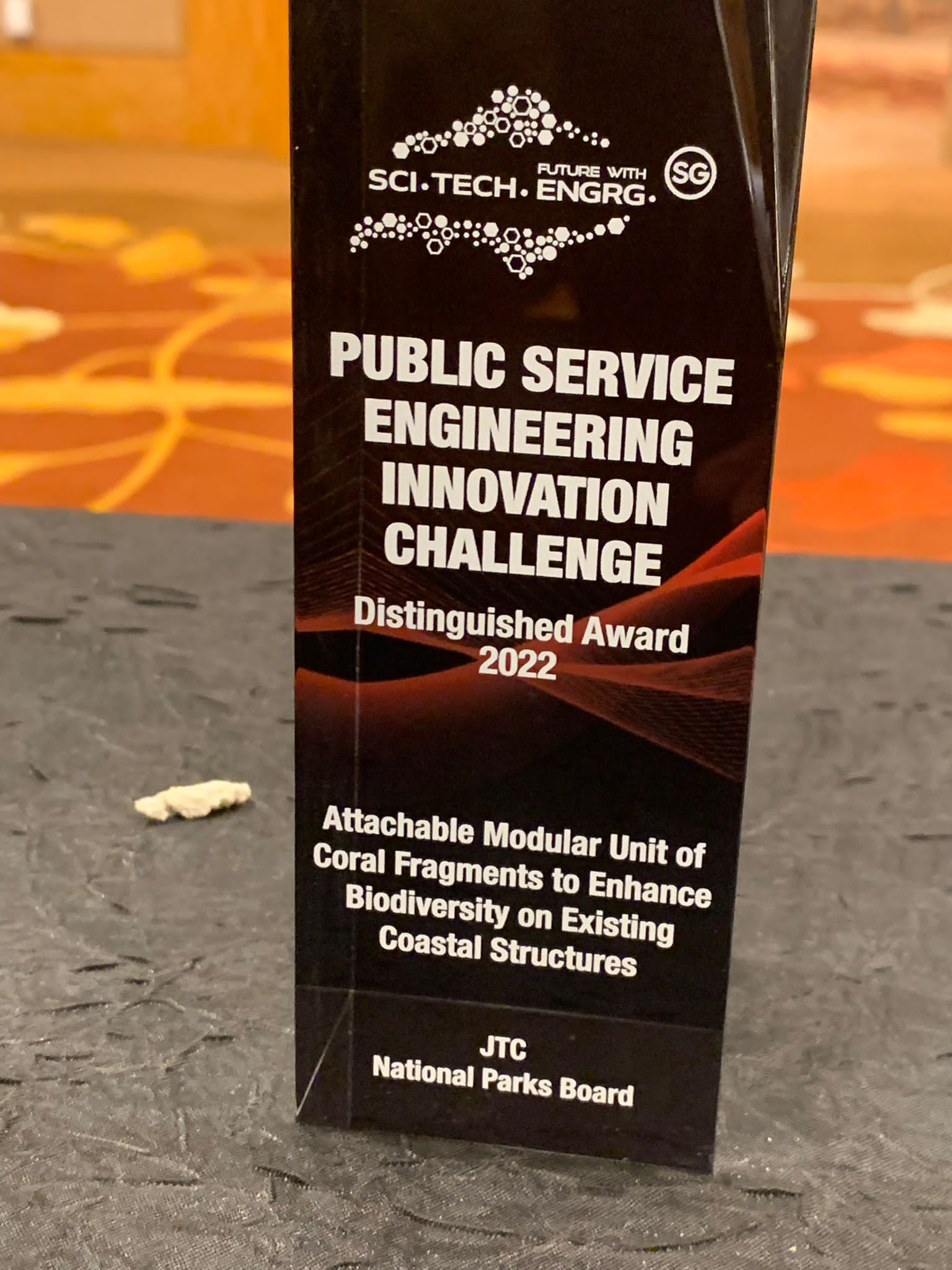
It is an honor that this project was recognized with a Distinguished Award at the 2022 Public Service Engineering Innovation Challenge, organized by JTC and NParks.
 |
 |